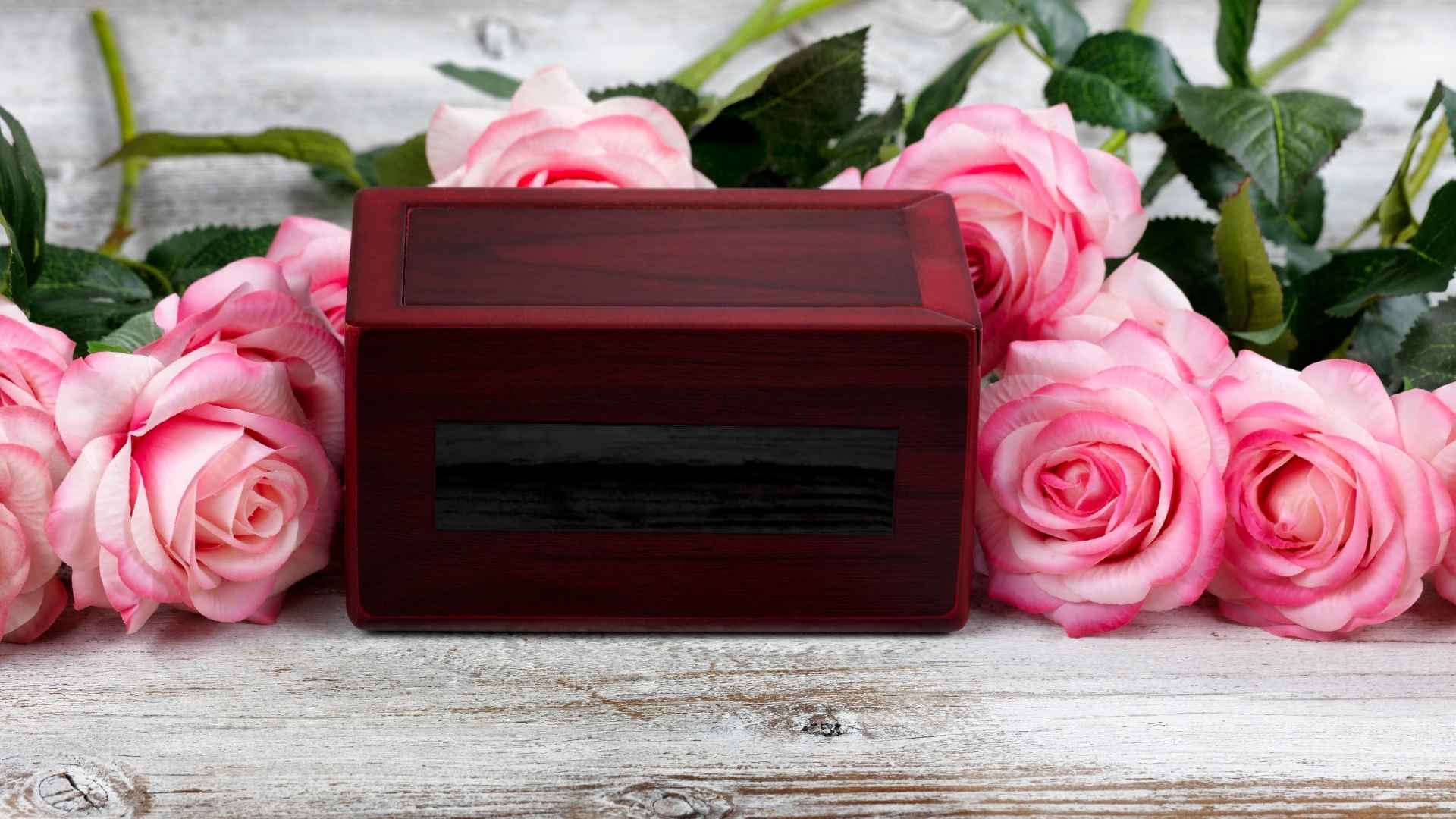
Iowa families can keep cremated remains at home, bury them in a cemetery, scatter them in an approved location, divide them among relatives, or use them in keepsakes and living memorials. When deciding what to do with ashes Iowa families should consider the law, the person’s wishes, and what will happen to the remains decades from now. A clear plan can prevent confusion for future generations.
Cremation provides flexibility, but that flexibility can make the next decision feel difficult. There is no single option that works for every family. The best choice is one that respects the person’s personality, gives relatives peace of mind, and remains practical over time.
Celebrate Life Iowa helps families understand the available options, including those who already have cremated remains from another provider.
Cremated remains can be kept, buried, scattered, divided, or incorporated into a memorial. Families may choose one option or use several when the remains are separated into smaller portions.
Common choices include:
The permanent decision about where remains will be kept, buried, or scattered is often called final disposition. Choosing cremation does not complete that planning process. Families still need to decide what will happen afterward.
A long-term plan prevents cremated remains from being passed to relatives who do not know what the deceased wanted. Keeping an urn at home may feel right now, but families should also consider who will care for it in 10, 20, or 30 years.
On The Iowa Conversation, Rick Ramsey, Licensed Funeral Director at Celebrate Life Iowa, explains that the challenge often appears when remains reach grandchildren or great-grandchildren who never knew the person.
A complete plan should identify:
Written instructions reduce uncertainty and give future relatives a clear way to honor the person’s wishes.
Cremated remains may be scattered only where the property owner and applicable rules allow it. The Iowa Administrative Code makes scattering subject to local ordinances and cemetery regulations.
Families should not assume that every park, trail, riverbank, or other public location permits scattering. Contact the city, county, park office, cemetery, or agency responsible for the property before planning the ceremony.
Ask whether:
Scattering should also be discreet and respectful. Consider nearby visitors, wind conditions, public walkways, buildings, and protected natural areas.
Cremated remains may generally be scattered on private property when the owner gives permission and no local rule prohibits it. Families who own the land have greater flexibility, but they should still consider what may happen to the property later.
A backyard, farm, acreage, or family garden may have strong personal meaning. However, the property could eventually be sold, developed, or transferred to someone outside the family.
Document the exact location, date, property owner’s permission, and any marker placed at the site. This record can help future relatives understand where the remains were placed.
Scattering in an Iowa river, lake, or other inland waterway may be possible, but families must confirm state and local requirements first. The U.S. Environmental Protection Agency explains that federal burial-at-sea rules do not govern inland lakes, rivers, or bays.
Avoid placing plastic, glass, metal, wire, or other non-biodegradable materials in the water. A biodegradable container may be more suitable when the location permits one.
Ocean scattering follows separate federal rules. Cremated remains must generally be placed at least three nautical miles from shore, and the burial must be reported to the EPA within 30 days.
Cremated remains can often be buried in a cremation plot, placed in an existing family grave, or stored in a columbarium niche. Each cemetery sets its own policies, fees, and space requirements.
Options may include:
Some cemeteries require an urn vault for in-ground burial. The vault can protect the urn and prevent the surrounding soil from settling.
Ask the cemetery about urn size, burial fees, memorial markers, multiple-urn placement, and future access before making a purchase.
A columbarium is a structure containing niches made to hold cremation urns. The Iowa Cemetery Act defines it as a structure, room, or space containing niches for cremated remains.
Columbariums may be indoors, outdoors, inside mausoleums, or within landscaped cemetery areas. Some niches hold one urn, while companion niches hold two.
A niche gives relatives a permanent place to visit without requiring a traditional ground burial. Families may also be able to add a nameplate, dates, photograph, or short inscription.
Always confirm the niche’s interior measurements before choosing an urn.
Choose an urn based on where it will be placed, how it will be used, and how well it reflects the person’s life. An urn for home display may differ from one intended for burial, scattering, travel, or a columbarium niche.
Common materials include:
Families may also use a secure personal container. Rick Ramsey explains that an object does not need to be expensive to become meaningful. A simple keepsake may have greater emotional value when it reflects the person’s interests or personality.
The container should still close securely and meet any cemetery or columbarium requirements.
Cremated remains can be divided when the legally authorized decision-maker approves the arrangement. They do not have to remain together in one full-size urn.
One portion may be buried while others are placed in keepsake urns, jewelry, or separate memorials. This option can be helpful when children, siblings, or relatives live in different locations.
Before dividing the remains, agree on the number of portions, the containers being used, and who will receive each one. A funeral professional can transfer the remains safely and label each container clearly.
Cremation jewelry holds a small amount of remains inside a pendant, bracelet, charm, or necklace. It allows a relative to keep a physical remembrance close without storing a full-size urn.
The remains are placed inside a small compartment that is then securely closed. Professional filling is recommended because the opening is small and must be sealed correctly.
Celebrate Life Iowa offers several jewelry and charm options. Families should ask about the material, durability, care instructions, seal, and whether the piece is appropriate for daily wear.
Some specialty companies create memorial diamonds using carbon associated with a deceased person. The process, price, timeline, and documentation vary by provider.
Families may be able to choose the diamond’s size, color, cut, and setting. A funeral provider can help request a quote and coordinate transportation with the specialty company.
Ramsey explains that Celebrate Life Iowa can assist families interested in this option. He gives an estimated range of $2,500 to $10,000, although current pricing should be confirmed directly before making a decision.
Review how the company tracks the remains, verifies the process, and handles unused material before proceeding.
A living memorial may include a tree, flower garden, bench, plaque, or gathering place created on private property. It can give the family a meaningful location connected to growth and remembrance.
Cremated remains can affect soil chemistry, so placing them directly around plant roots may harm the plant. A nursery, horticultural specialist, or memorial-product provider can recommend an appropriate planting method.
Ramsey shares his personal wish to have his remains buried with apple seeds so a tree can become part of his family’s land and traditions.
Choose a site that can be maintained and record its location for future generations.
Inherited cremated remains can be transferred, buried, placed in a niche, divided, or scattered once the family identifies who has legal authority to decide. Receiving an urn does not mean it must remain in your home permanently.
Look for written wishes, cremation records, cemetery documents, identification attached to the container, or information from relatives. Do not discard labels or identification materials.
Celebrate Life Iowa helps people who already possess cremated remains, even when another provider performed the cremation. Families can ask about urn transfers, cemetery placement, division, scattering, and other memorial choices.
Seeking a permanent solution is not disrespectful. A thoughtful decision may honor the person more clearly than leaving the remains in temporary packaging indefinitely.
Celebrate Life Iowa helps families compare practical, legal, and personal options for cremated remains. Its team can provide guidance on urns, jewelry, cemetery placement, division among relatives, scattering plans, memorial products, and long-term disposition.
The service is available even when Celebrate Life Iowa did not perform the original cremation. Families who have held remains for several years can still schedule a conversation about their next steps.
Anyone deciding what to do with ashes in Iowa can benefit from speaking with a Licensed Funeral Director before making an irreversible choice. Celebrate Life Iowa helps families create a lasting plan that reflects the person’s life while making future responsibilities easier to manage.
Watch the full episode of The Iowa Conversation on YouTube to hear host Mike Downer and Rick Ramsey, Licensed Funeral Director at Celebrate Life Iowa, explore practical, meaningful, and sometimes lighthearted options for cremated remains. Their discussion can help families feel more comfortable asking questions and making plans that reflect a loved one’s personality and wishes. Add the full YouTube episode link here to hear the complete conversation.
Yes. Cremated remains may be kept at home in a secure urn or container. Families should also document who will care for them later and whether a permanent placement is planned.
Only when the responsible public agency and applicable local rules permit it. Contact the park, city, county, cemetery, or property manager before scattering.
Yes, with the property owner’s permission and subject to local rules. Written permission and a record of the location are recommended.
Burial on private property may be possible, but local requirements should be checked. Families should also record the location and consider what happens if the property is sold.
Some cemeteries permit multiple urns in one plot or allow an urn to be added to an existing grave. Policies, space, and fees vary.
No. Families may usually provide a suitable container, although cemeteries and columbariums may have requirements for size, material, or sealing.
Yes. Cremated remains may be divided into keepsake urns, jewelry, or other containers when the authorized decision-maker approves.
Yes. Celebrate Life Iowa can discuss transfers, urns, division, cemetery placement, scattering, and memorial options even when another provider performed the cremation.
©2026 - Celebrate Life Iowa Cremation - All Rights Reserved